
The hose is probably the last thing beginners think about upgrading, and it’s one of the first things experienced smokers swap out. It’s your direct connection to everything the hookah is doing — draw resistance, flavour purity, temperature, comfort — and the wrong hose undermines a setup that’s otherwise perfectly dialled in. Here’s what actually matters.
The Four Parts of Any Hookah Hose
Handle — where you grip. Wood, aluminium, or acrylic; should feel substantial but not tiring to hold, and connect securely to the tubing without wobbling.
Tubing — the long flexible section. This is where the meaningful differences between hose types live: material, internal diameter and length all affect how the session feels.
Mouthpiece — the tip. Wood, metal, glass or plastic; many modern setups use interchangeable or removable tips, and disposable hygiene covers that fit over the mouthpiece are standard in social settings.
Connector — fits into the hose port on the stem and must create an airtight seal. A leaky connector is an air leak that dilutes your smoke, full stop.
Traditional Leather Hoses
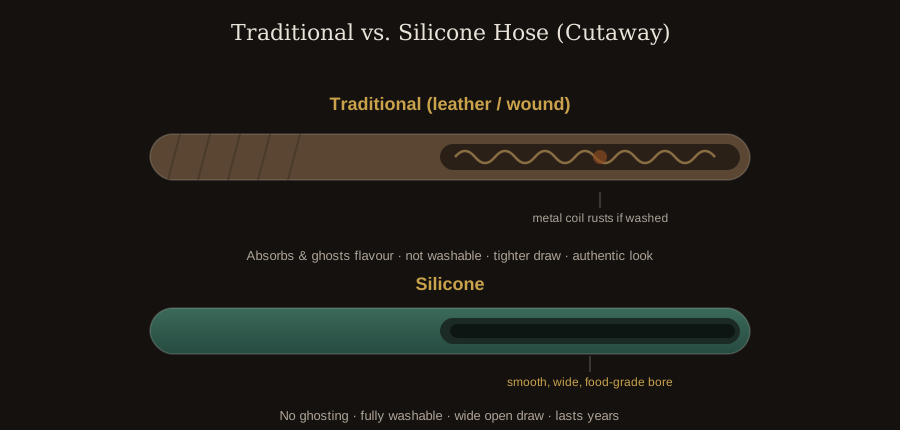
The classic: a wire coil skeleton wrapped in leather or faux leather with a decorative outer covering. Beautiful to look at, a genuine part of the traditional hookah aesthetic, and still used in many lounges for exactly that reason.
The draw is medium to slightly restricted, because the coiled interior creates some turbulence. Flavour-wise, leather absorbs shisha over time — devotees call this character-building; everyone else calls it ghosting. The bigger practical issue is that they cannot be washed. Water rusts the internal wire and gets trapped in the leather, so the only maintenance is blowing air through forcefully after each session. They’re best suited to smokers who use the same flavour or flavour family consistently, because the hose will hold onto whatever it’s been used for.
Silicone Hoses
The modern standard, and for most people the right choice. Food-grade silicone tubing, fully washable, doesn’t absorb flavour at all. What you packed is what you taste — there’s no ghost from last week’s session bleeding through. The draw is smooth and open because the interior is uniform with no wire turbulence. Silicone also insulates the smoke well, keeping it at a comfortable temperature throughout. Less decorative than traditional leather, but that’s an aesthetic trade-off most people are happy to make for the performance and hygiene benefits.
If you switch flavours regularly, value being able to rinse your hose clean, or just want a low-maintenance reliable option — silicone. It’s what I reach for nine sessions out of ten.
Disposable Plastic Hoses
Thin, lightweight, cheap. Come standard with budget hookahs and used commercially where hygiene between guests is the priority. The internal diameter is typically narrow, which restricts airflow, and with extended use the plastic can develop an off-taste from the heat. They work fine for parties where everyone gets their own hose, or as a travel backup when you don’t want to risk a quality hose. Not a permanent choice for regular sessions.
Washable vs Non-Washable: the Practical Divide
If you’re not sure which category your hose falls into, err on the side of not washing — water inside a non-washable hose (one with a metal coil) will rust the interior and trap moisture. Silicone hoses and most modern synthetic hoses are washable: warm water through both ends after each session, optionally with a little lemon juice or bicarb, hung to drain and dry completely. Non-washable hoses (leather, traditional fabric-wrapped) get blown clear after each use and replaced when the ghosting becomes unavoidable.
Wide vs Narrow Gauge
Internal diameter matters more than most people expect. A wide-gauge hose (14mm+ internal) gives you an open, almost effortless draw — smoke flows through freely, clouds are large per pull. A narrow-gauge hose (10mm or under) creates more resistance, which some smokers prefer because it feels more controlled and the slower draw slightly cools the smoke as it travels. Most modern silicone hoses sit in the 12–16mm range, which is a comfortable middle ground.
One thing worth knowing: your hose gauge needs to match your hookah’s natural airflow. A wide-open silicone hose on a narrow-stemmed traditional hookah creates a mismatch where you pull mostly air. A narrow hose on a wide-stem modern hookah creates unnecessary back pressure. If the draw feels off after switching hoses, gauge mismatch is usually the explanation.
Single vs Multi-Hose
Multi-hose hookahs allow two, three or four people to smoke simultaneously. It sounds convenient and it’s genuinely tempting for group sessions — but the reality is that every additional hose port is an air leak when it’s not actively in use. If two people are both drawing, they’re pulling against each other. The smoke output per person drops, cloud quality suffers, and you can’t maintain the same draw vacuum that a single-hose setup delivers.
The better solution for groups is two single-hose hookahs rather than one multi-hose pipe. If you do have a multi-hose setup, make sure unused ports have ball bearings or rubber stoppers sealing them whenever someone isn’t actively drawing from them.
Cleaning and Maintenance
- After every session: blow air through to clear residual smoke and moisture.
- Weekly (washable): rinse with warm water, hang both ends pointing down to drain and dry fully. Never store a damp hose coiled up.
- Monthly (washable): soak in warm water with lemon juice for 30 minutes, rinse thoroughly.
- Regular inspection: check the connector grommet for cracks and the handle joint for play. A worn grommet creates an air leak that’s easy to miss until your sessions start feeling inexplicably weak.
- Storage: hang vertically or coil loosely. Never fold a hose sharply — it creates permanent kinks that restrict airflow.
The Upgrade Worth Making
If you’re still using the hose that shipped with your hookah, a quality silicone hose is one of the most impactful and affordable changes you can make. Look for food-grade silicone tubing, a handle that feels good in the hand (aluminium or wood over plastic), and a connector that fits your hose port snugly without needing an adapter. The difference in draw quality is immediate and obvious.
Whichever hose you end up with, keeping it clean matters just as much as the material — see our guide to cleaning your hookah hose.


